This free Babyface Ray type beat gives you a Detroit-ready "Rain" instrumental at 186 BPM in F minor
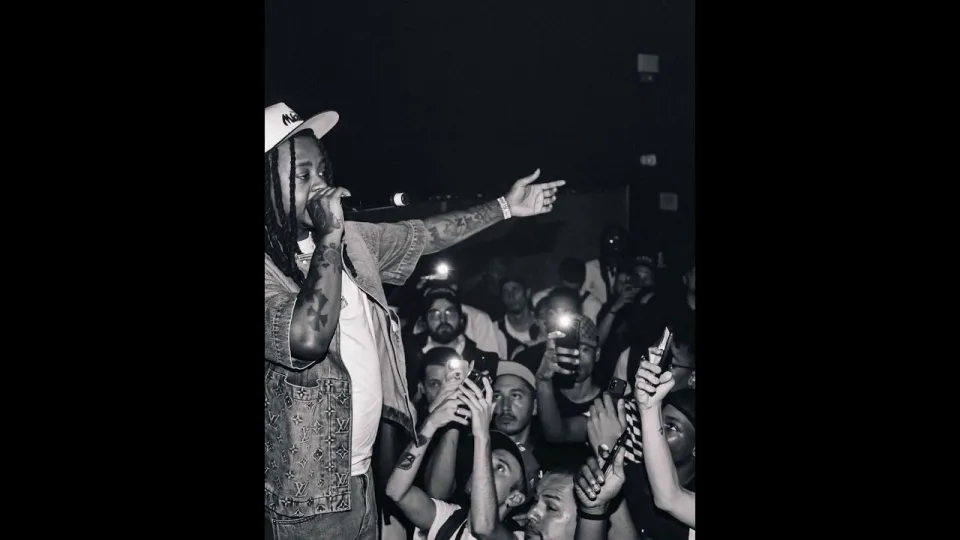
Video: (FREE) Babyface Ray Type Beat - "Rain"
· based on the channel ozithegoat
The free Babyface Ray type beat "Rain" from producer ozi (channel ozithegoat) is a Detroit-style sample instrumental running at 186 BPM in F minor, free for non-profit use with credit to "prod. by ozi". If you want to license it for a release, the paid option sits behind the Buy 1, Get 1 Free purchase link on BeatStars. Everything below covers what the beat is, how the free license works, and how to actually write to it.
What the "Rain" Babyface Ray type beat actually is
"Rain" is a sample-based trap instrumental built for the melodic, deadpan Detroit pocket that Babyface Ray occupies, and the producer's own specs put it at 186 BPM in F minor. That combination matters more than it sounds: F minor is a dark, slightly mournful key that suits rain-soaked, reflective writing, and 186 BPM in a trap context is almost always felt as half-time, so the actual head-nod tempo lands around 93 BPM. You count it fast, you rap it slow. That gap between the written tempo and the felt tempo is exactly where Detroit records live — the hi-hats move, the vocal doesn't rush.
A type beat is an original instrumental made in the style of a specific artist, not an unreleased song by that artist. Nothing here is a Babyface Ray recording, and Ray has no involvement in it. What you get is a beat that borrows the sonic vocabulary — the sample loop, the sparse drums, the space left for a conversational flow — so you can write a demo in that lane without clearing a major-label record.
Reading the beat sheet: 186 BPM, F minor, sample-driven
Three numbers and one word define this beat: 186, F minor, and "sample." The 186 BPM marking tells you the grid the drums were programmed on, which is useful if you're chopping the beat or building a session around it. At that tempo, a standard 4/4 bar passes quickly, so a 16-bar verse is a short physical stretch of audio — good for writers who like to keep verses tight and hook-heavy rather than sprawling.
F minor gives you a fixed harmonic home. If you're recording over it, tune your vocal takes to F minor or its relative major, A-flat major, and the melodic runs will sit without fighting the sample. If you're an engineer, expect the sample to occupy the low-mid range; carve a little space around 200–400 Hz on the vocal bus rather than boosting the beat, which is usually already saturated.
The "sample type beat" tag in the description is a genre signal in itself. Sample-based Detroit production tends to loop a short, soulful phrase and let repetition do the emotional work, with drums that punch but never crowd. That's the texture "Rain" is aiming for, and it's the reason the beat works as a writing bed even before anyone touches a mic.
How the free license works and when you need to pay
The terms are stated plainly in the video description: free for non-profit use, and you must credit "prod. by ozi." In practice that means SoundCloud demos, YouTube uploads, freestyles, practice sessions and anything that isn't generating revenue are covered, provided the credit appears in the title or description of your upload. Skipping the credit is the one thing that turns a free beat into a problem.
Once money enters the picture, the free tier stops applying. Distributing to Spotify, Apple Music and the other streaming services, selling a song, or placing it in monetized video all require a paid license, which is where the BeatStars link comes in. The producer is running a Buy 1, Get 1 Free promotion there, so a lease purchase effectively nets you two beats — useful if you're building an EP rather than a single.
A quick checklist before you upload:
- Confirm the track is non-profit (no ads, no paid streams, no sync).
- Put "prod. by ozi" in the title or description, spelled exactly that way.
- Keep a note of the BPM and key (186 BPM, F minor) in your session file for future reference.
- If the song starts earning, buy the lease through the BeatStars store before you distribute.
Placing "Rain" in the Detroit lineage: Ray, Veeze, Peezy, Luh Tyler
The tag list on this beat reads like a map of the modern Michigan-adjacent scene, and that's the most useful thing about it for a writer choosing a lane. Babyface Ray sits at the center, but Veeze, Peezy and Luh Tyler are all named alongside him, and those names pull in slightly different cadences even when the beats overlap.
Babyface Ray's delivery is conversational and unhurried, often closer to talking than singing, with punchlines that land on the back half of the bar. Veeze pushes further into off-kilter, nasal melodics and loose timing. Peezy brings a harder, more street-forward bark. Luh Tyler, though Florida-based, has been folded into this sound because his deadpan, low-energy flow fits the same half-time pocket. A single sample beat can serve all four because the common denominator is restraint: the instrumental leaves room, and the rapper fills it.
If you're writing to "Rain," decide which of those four you're closest to before you write a bar. A Ray-style verse wants plainspoken detail and a memorable closing line; a Veeze-style verse can afford to bend the rhythm and lean on melody. Trying to do both in one 16 usually produces neither.
Writing and recording to a 186 BPM sample beat
Start by counting the beat in half-time so the pocket feels like roughly 93 BPM, then write in eight-bar chunks rather than full verses. At this tempo a 16 feels long, and Detroit records often get their energy from short, repeated sections — a four-bar hook, an eight-bar verse, a quick switch-up.
Practical steps that work on a beat like this:
- Loop the first eight bars and freestyle over them until a cadence sticks; don't write on paper first.
- Record a scratch vocal with the beat at full level so you internalize where the sample breathes.
- Identify the one or two bars where the sample drops or opens up, and place your hook or your hardest line there.
- Track the final vocal with the beat turned down slightly; the sample is dense in the low mids and a loud headphone mix encourages oversinging.
- Leave the ad-libs sparse — this style rewards silence between phrases.
Because the key is F minor, melodic rappers can hum or sung-rap around F, A-flat and C without clashing. If a take feels pitchy, the problem is usually that the writer is drifting toward the relative major too early in the bar.
Where to find the beat, the producer and the license
All official links for "Rain" and the rest of the catalog are below, copied exactly as published:
- Purchase and license (Buy 1, Get 1 Free): https://bsta.rs/da7ca9dcd
- Producer's Instagram: https://instagram.com/youknowozi
- Full BeatStars store: https://youknowozi.beatstars.com
Contact for licensing questions is listed in the video description as oazisbeats@gmail.com. The beat is tagged for both current and earlier search terms, so it surfaces whether you're looking for a Babyface Ray type beat, a Veeze type beat, or a general Detroit type beat.
Final take
"Rain" is a straightforward proposition: a 186 BPM, F minor sample beat in the Babyface Ray mold, free for non-profit use with a "prod. by ozi" credit, and licensable through BeatStars when a song starts making money. Its value is in the restraint — the tempo reads fast but plays slow, and the F minor loop leaves the kind of space Detroit flows are built on. Treat the free tier honestly, credit the producer, and use the Buy 1, Get 1 Free offer at https://bsta.rs/da7ca9dcd when you're ready to release. The video breakdown and the beat itself come from the channel ozithegoat, with production by ozi.
Key takeaways
- "Rain" is produced by ozi and published on the ozithegoat channel as a free Babyface Ray type beat.
- Tempo is 186 BPM and the key is F minor, per the producer's own description.
- Free for non-profit use only; credit must read "prod. by ozi".
- A paid license is available through BeatStars with a Buy 1, Get 1 Free offer.
- The tags place it alongside Veeze, Peezy and Luh Tyler type beats in the Detroit lane.
Questions & answers
Is the "Rain" Babyface Ray type beat really free?
Yes, for non-profit use. The description states it is free as long as you credit "prod. by ozi" in your upload. Any monetized release, streaming distribution or paid placement requires a license purchased through the BeatStars link.
What BPM and key is this Babyface Ray type beat?
The producer lists 186 BPM and F minor. Because 186 BPM is counted in half-time in trap, the felt tempo is around 93 BPM, which is why the beat sits in a slow, head-nod pocket despite the fast written tempo.
Can I use "Rain" on Spotify or Apple Music?
Not under the free terms. Streaming distribution counts as commercial use, so you need a paid lease or exclusive license from the producer's BeatStars store. The store currently runs a Buy 1, Get 1 Free promotion on purchases.
Which artists does this beat sound like besides Babyface Ray?
The tags reference Veeze, Peezy and Luh Tyler, all of whom share the sparse, half-time Detroit-adjacent pocket. The common thread is restrained production that leaves room for conversational, deadpan delivery rather than dense, maximalist arrangements.
Source: (FREE) Babyface Ray Type Beat - "Rain" · Markdown version